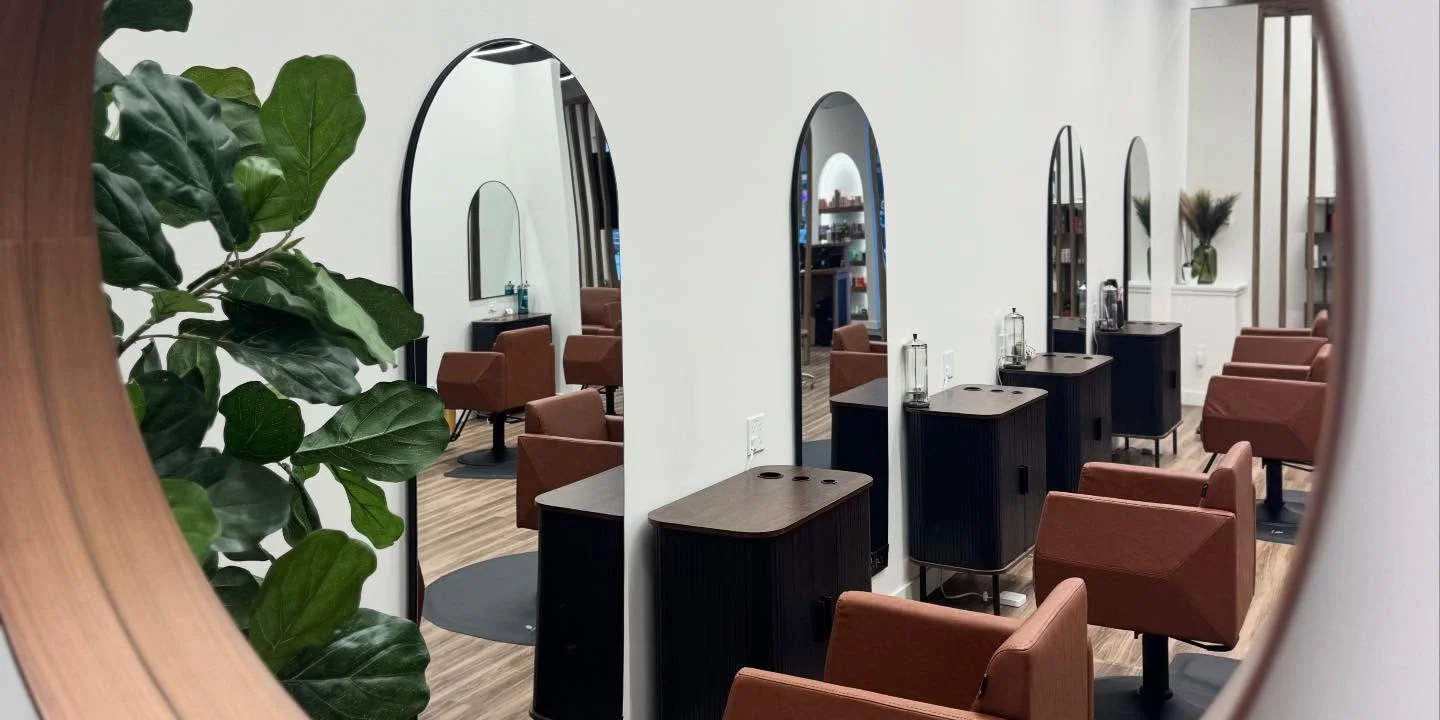
In an industry often defined by traditional pricing and one-size-fits-all services, Laurie O’Neill chose a different approach to salon management that helped her business stand out. She used technology to build a personalized Parts + Labor pricing model that changed the client experience and boosted profitability.
Background
Laurie was a commission stylist at a salon in Welland, Ontario, when it changed ownership. Recognizing that this was the push she needed, she decided to open her own salon, Salon@Church. She bought a building in October 2019 with plans to open in May 2020. The COVID-19 pandemic delayed the opening, but it gave Laurie time to plan her strategy and prepare for launch.
The goals
Laurie’s primary goals for the new salon were to:
- Use technology for operational efficiency
- Implement a modern, personalized pricing structure
- Create a positive, motivating work environment for her staff
Research and planning
During the lockdowns, Laurie researched salon management software extensively. After evaluating more than 15 platforms, she chose Aura Salonware for its personalized approach, innovative features and in-depth reporting, including year-over-year comparisons. She also brought in SalonScale, a color management system built around Parts + Labor pricing, so the salon could charge for both the service and the product used, with transparent, customized pricing for each client.
How it works
The products used during a color or other chemical service are itemized in the SalonScale app and then transferred to Aura. Salon@Church categorizes these charges under retail in Aura. The cost is marked up at the salon’s set percentage and shows as a single SalonScale line item on the client’s invoice. The salon also explains on its website and in its service descriptions that it’s a SalonScale salon and charges for the products used during services.
At first, Laurie didn’t mark up products, worried it would make her new salon less competitive. She passed the costs on to clients but didn’t make a profit on them. Over time, she added a markup and gradually increased the SalonScale product fees so the salon could realize a profit. She also gave staff a commission on backbar products used during services, framing it as an incentive rather than a cost and building a culture of ownership.
The results
From opening day, the salon offered personalized quotes based on Parts + Labor pricing. Instead of charging every hair type the same price regardless of time and product, clients paid for what their service actually required, the same way a mechanic charges for parts and labor.
- Client understanding: Client feedback has been overwhelmingly positive. Laurie’s comparison to automotive repairs resonated, and clients appreciate the clarity of the pricing.
- Empowered staff: Stylists earn commission on products used during services, giving them a sense of ownership in the salon’s success.
- Financial growth: Parts + Labor pricing significantly improved profitability. Within a short time, the salon was making a profit on backbar products, typically one of the biggest liabilities in the industry.
- Business insights: Aura’s reporting gave Laurie and her team the performance trends they need to make informed decisions.
By pairing technology with transparent, personalized pricing, Salon@Church set itself up for financial success and built a supportive environment for clients and staff, even through the challenges of the pandemic.
Ready to see how your salon can have success like Salon@Church? Book a demo with one of our SalonScale experts.